What We Learned From 1 Million Voter Interactions
One million emails, texts, calls, and door knocks. Here's what they taught us about how campaigns actually win.
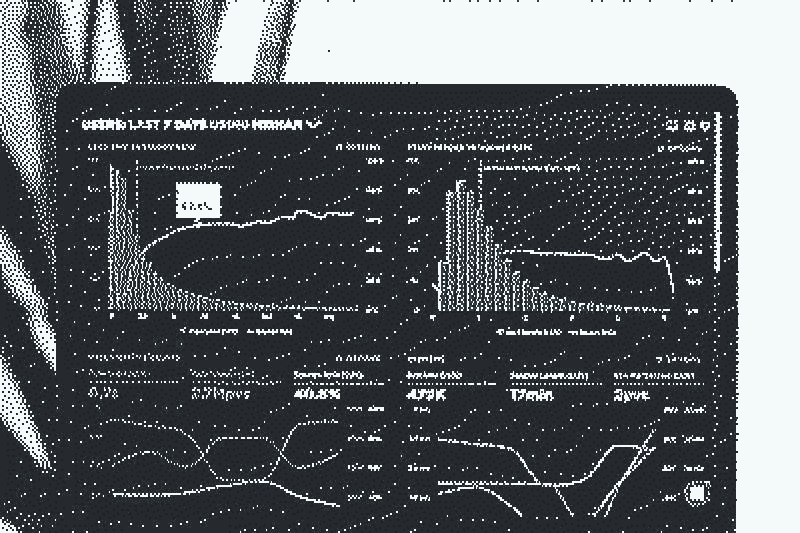
A few weeks ago, I accidentally noticed Electd had crossed one million voter interactions. It was a pretty exciting number to see, but it also made me think about what those million interactions have actually taught us.
Emails opened. Texts answered. Calls made. Doors knocked. One million individual moments between campaigns and the people they're trying to reach.
When we started building Electd, the goal wasn't simply to give campaigns another way to send emails, make calls, or text voters. There are already plenty of tools that do those things.
We wanted to answer a bigger question: What if every interaction made a campaign smarter about what to do next?
After our first million, a few things have become much clearer.
#1 Campaigns don't have a communication problem. They have a coordination problem.
Most campaigns don't have a shortage of ways to reach voters. They have an email platform, texting tool, dialer, canvassing app, fundraising platform, and usually a few spreadsheets trying to hold everything together.
The problem is that these systems rarely know what the others are doing.
A voter might open an email, click a fundraising link, ignore a call, and then have a great conversation at the door. Each interaction tells you something, but too often those signals live in different places or disappear entirely.
Reaching a voter is valuable. Remembering what happened when you reached them is even more valuable.
When those interactions live together, campaigns get a much clearer picture of how people are actually engaging.
#2 The best voter list is never finished.
Campaigns have traditionally treated voter lists as something you obtain, export, and work through. But voters aren't static, and your lists shouldn't be either.
Someone might click an email today, vote early tomorrow, or ignore a call but respond to a text. Each interaction changes what a campaign knows and potentially what it should do next.
The best voter lists aren't static CSVs or spreadsheets. They're living groups of people that change as new information comes in.
The question isn't just, "Who should we contact?" It's "Given what we know right now, who should we contact next?"
#3 Small signals become incredibly valuable at scale.
Most campaign data isn't very interesting on its own.
One email open, missed call, or conversation at the door doesn't tell you much. But put thousands of those signals together and you start to see something different: who consistently engages, which messages work, and who might be ready to donate, volunteer, or become a stronger supporter.
Campaigns generate these signals constantly. The challenge is turning them into something useful.
This has become one of the ideas we think about most at Electd:
The 10,000th interaction should make the 10,001st interaction smarter.
The more a campaign learns, the better it should know what to do next.
#4 Campaigns generate an enormous amount of knowledge, and lose most of it.
Over the course of a campaign, teams learn a lot: who opens emails, responds to texts, donates, volunteers, answers the phone, and which messages actually move people.
Then Election Day happens. Staff move on. Accounts get shut down. Someone's spreadsheet gets buried in Google Drive. Suddenly, much of what the campaign spent months learning is gone.
We think that's one of the biggest missed opportunities in political organizing. Campaign data shouldn't just be a record of what happened. It should help inform what happens next.
That's why the million-interaction milestone matters to us. It's not just a big number. It's one million opportunities to learn something.
And increasingly, we think AI is how you turn all of that context into something useful.
#5 AI gets much more interesting when it has context.
Most conversations about AI in campaigns still focus on content: writing an email, drafting a fundraising message, or creating a social post. That's useful, but it's also the least interesting part to us.
The bigger opportunity is AI that understands what a campaign has already done, what happened as a result, and what it should do next.
Imagine asking: Which voters are becoming more engaged? Who should the candidate personally call tonight? Which message is actually working? Where should we spend our next $500? What should we do next?
Answering those questions requires context: voter data, outreach, engagement, fundraising, and conversations all working together. That's the intelligence layer we're building toward with Electd.
Data → interactions → outcomes → intelligence → action.
The more a campaign does, the more the system learns, and the better it becomes at helping decide what comes next.
The second million should be smarter than the first.
Crossing one million voter interactions was exciting, but what matters more is what we're learning from them. Every email opened, text answered, call made, and door knocked gives a campaign another signal about what to do next.
We don't just want Electd to help campaigns do more. We want to help them learn faster.
The first million taught us a lot. Now the goal is to make the second million smarter because of it.
Want to put your campaign's data to work? Get started with Electd and start turning every interaction into intelligence.