Why "Unwinnable" Races Matter
America is making a big mistake investing only in candidates that have a clear road to victory.
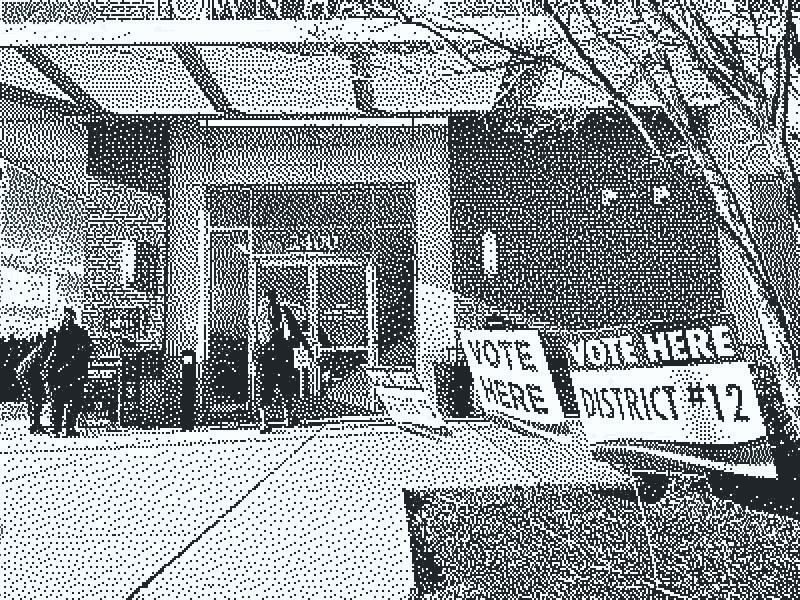
There's a quiet assumption baked into how we talk about elections.
If you can't win, you shouldn't run.
It shows up everywhere — in donor conversations, party strategy, even among candidates themselves. Before a campaign ever launches, someone is already asking, "Is this race winnable?" And if the answer is no, the conversation ends there.
No funding. No support. No infrastructure. No attempt.
That assumption isn't just limiting — it's wrong. Not just morally wrong, but strategically wrong. Because some of the most important work in politics happens in races that were never supposed to be competitive.
For a country that loves the underdog, America sure has given up on them in politics.
When people call a race "unwinnable," they're usually pointing to familiar signals like past margins, voter registration, fundraising gaps, incumbency, or national trends.
All of that matters. But it reflects a narrow definition of success.
Winning means getting the most votes on Election Day.
When I worked as a county chair, we had entire districts no one would touch and we argued over where resources were best utilized. These signals are useful, but we have to remind ourselves they don't reflect the full picture.
When someone runs for office anyway, something else starts to happen. A different kind of value gets created that's not always visible, but very real.
Photo by Corey Young on Unsplash
Voters who haven't been contacted in years suddenly hear from someone. Even if they don't switch sides, they engage — and once someone engages, they're more likely to do it again and again.
Issues that were ignored suddenly get surfaced. Candidates with nothing to lose can say what others won't, represent communities that haven't had a voice, and immediately expand the conversation.
The candidate themselves changes.
A losing candidate isn't a failed candidate. They've just compressed years of growth into a few months, learning how to persuade, fundraise, communicate, and lead under pressure. Those skills don't disappear on Election Night. They compound and spread.
Campaigns leave things behind — lists, networks, relationships, recognition, know-how. Even in loss, something gets built.
And over time, that's how margins move.
When I'm working with a new candidate the first thing I do is crack open their predecessor's donor list. What looks unwinnable today becomes competitive tomorrow — not by accident, but because someone ran before it ever made sense.
I've seen candidates lose by double digits and still leave behind a donor list, a volunteer base, and infrastructure the next candidate can use to move the needle.
Photo by Valery Tenevoy on Unsplash
The deeper issue is that we're measuring the wrong thing. If success is only defined by who wins on Election Day, these campaigns don't make sense. But if you measure engagement, growth, capacity, and long-term competitiveness, they start to look very different.
They're not losses. They're early-stage investments.
It takes a certain kind of person to run against the odds. They've heard the skepticism. They understand the risk — and they do it anyway.
Not because they're naive, but because they understand something most people don't: that progress doesn't happen in a single election cycle. If we want better outcomes, we need more attempts. Because the truth is simple — today's "unwinnable" race is often just a race no one has invested in yet.
And the only way that changes is if someone decides to run anyway.
If you're thinking about running — even if it doesn't look "winnable" — you're probably closer than you think. Contact us at Electd to start building a new narrative.